The world through the lens

The residents of Muslyumovo village in Russia’s Urals are convinced that they were “lab rats.” Their village was the only one on the Techa river to be exposed to radiation three times and not resettled. The Muslyumovo population was exposed to combined external and internal radiation. The sources of internal radiation were radionuclides entering the body with river water and products of local production. The main dose-forming radionuclide was Sr90, which was accumulated and held in bone tissue for a long time. From 1949 to 1956 the secret Mayak nuclear complex, 30 km from Muslyumovo, dumped 76 million cubic metres of highly radioactive waste into the river. The last big accident registered at Mayak was in 1967, when the Karachai reservoir, used to store waste, partially evaporated after a dry, hot summer. Strong winds dispersed clouds of radioactive dust over a vast area. Today Mayak is steel working and reprocesses foreign SNF releasing a great volume of liquid radioactive wastes into the environment.
Radiation levels along the river banks are still far above natural levels. In parts, levels are more than 500 times above global safety limits. The ecologists and experts consider the revealing of genetic abnormalities to be the consequence of living with high background radioactivity.
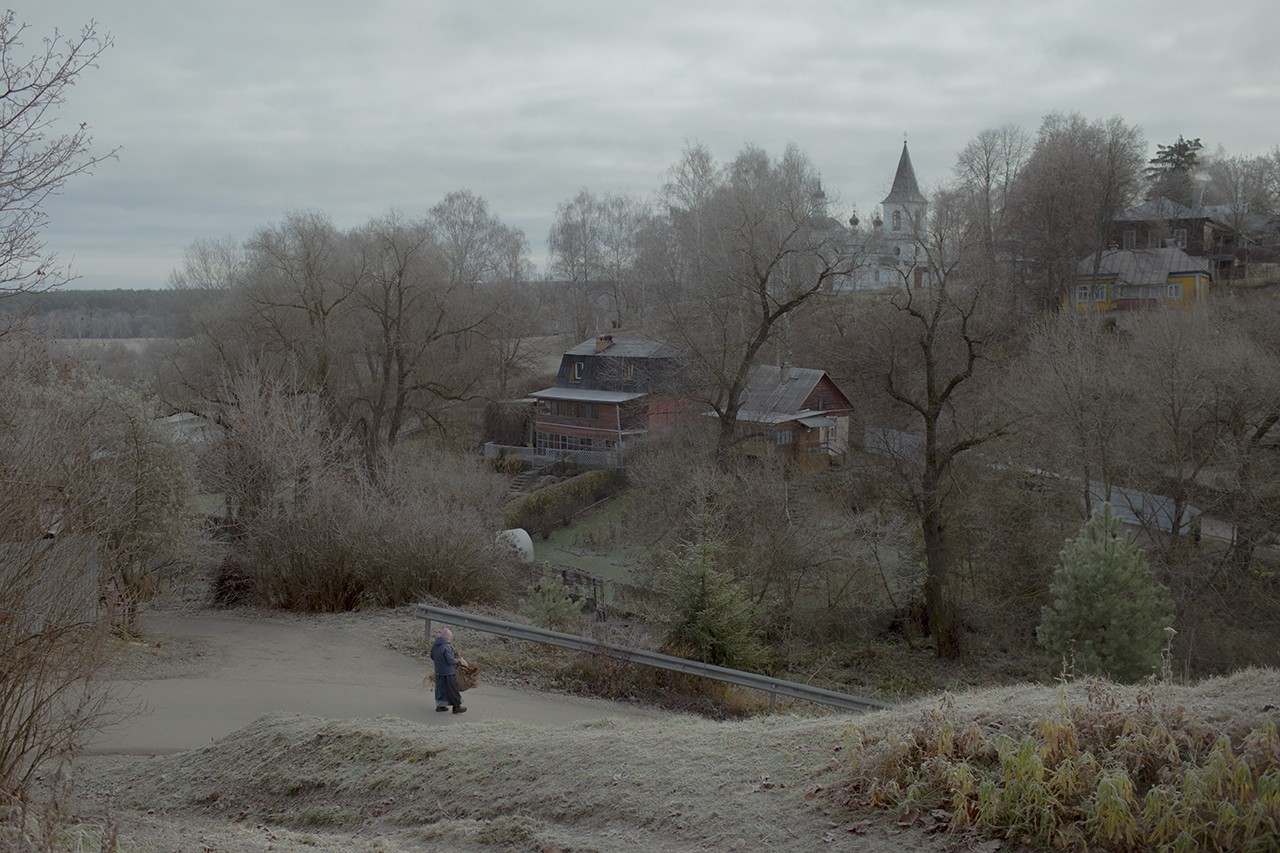
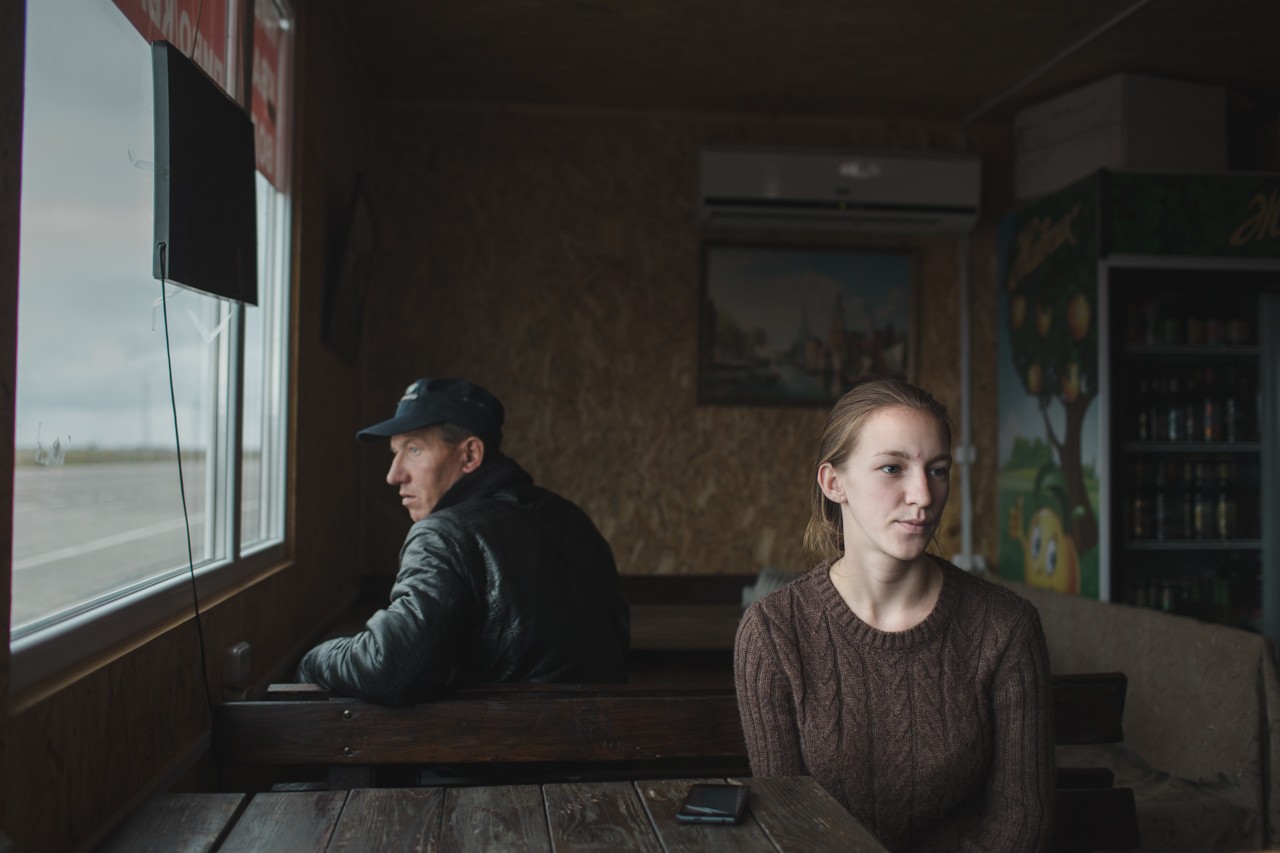
Several villages along the river were resettled in the 1950s, but the mainly Tatar village of Muslyumovo was started to remove  in 2006. Officials say government is giving a gift to the people by moving them to new homes (just in 2 kms away from their old houses), but not all of them. Dozens of them willl have to stay there because of bureaucratic problems, corruption in local government and their own poverty. They live, fight, despair, fight again, die.

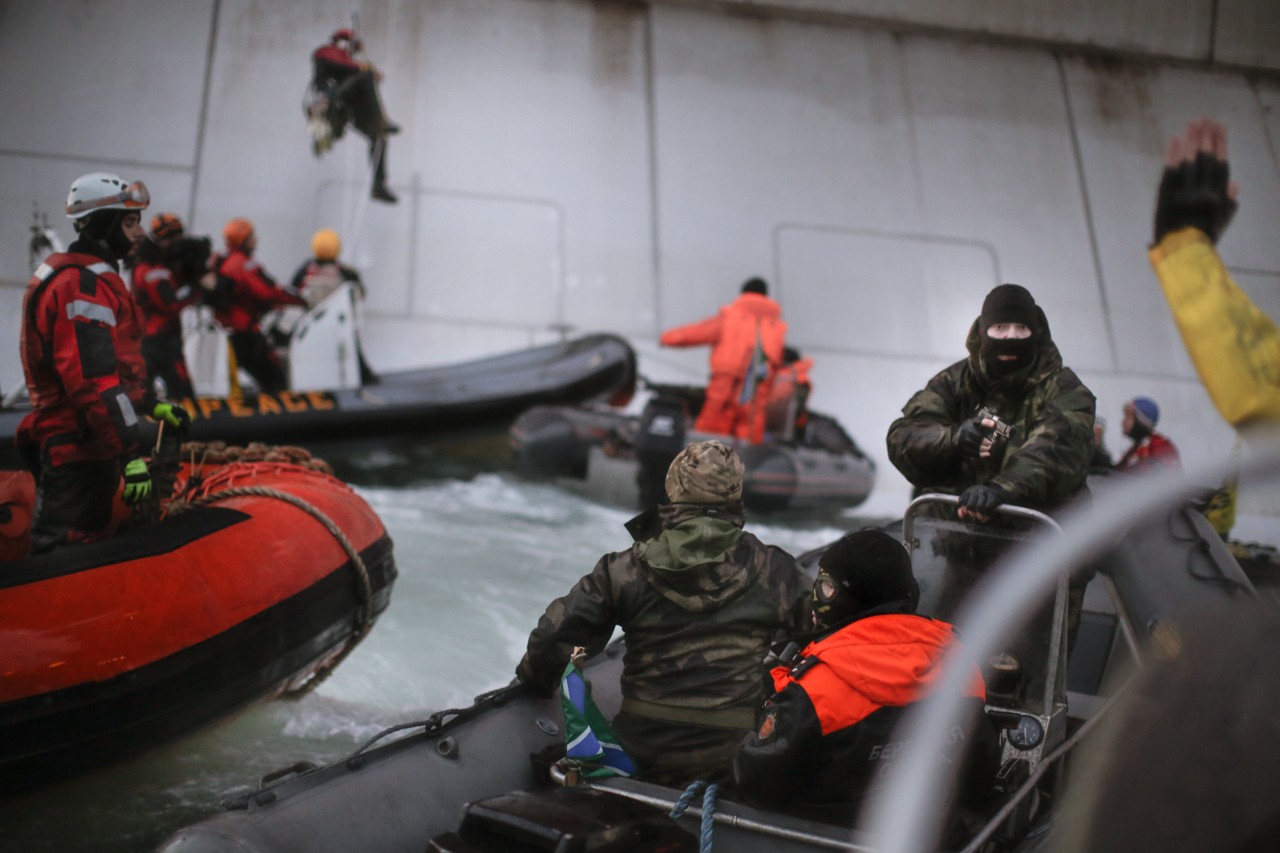
The history of issue on Greenpeace web site and my personal thanks for an invitation to follow them.