The world through the lens
category: Без рубрики
tags:

Вернувшись из отпуска успел на традиционные крещенские купания.
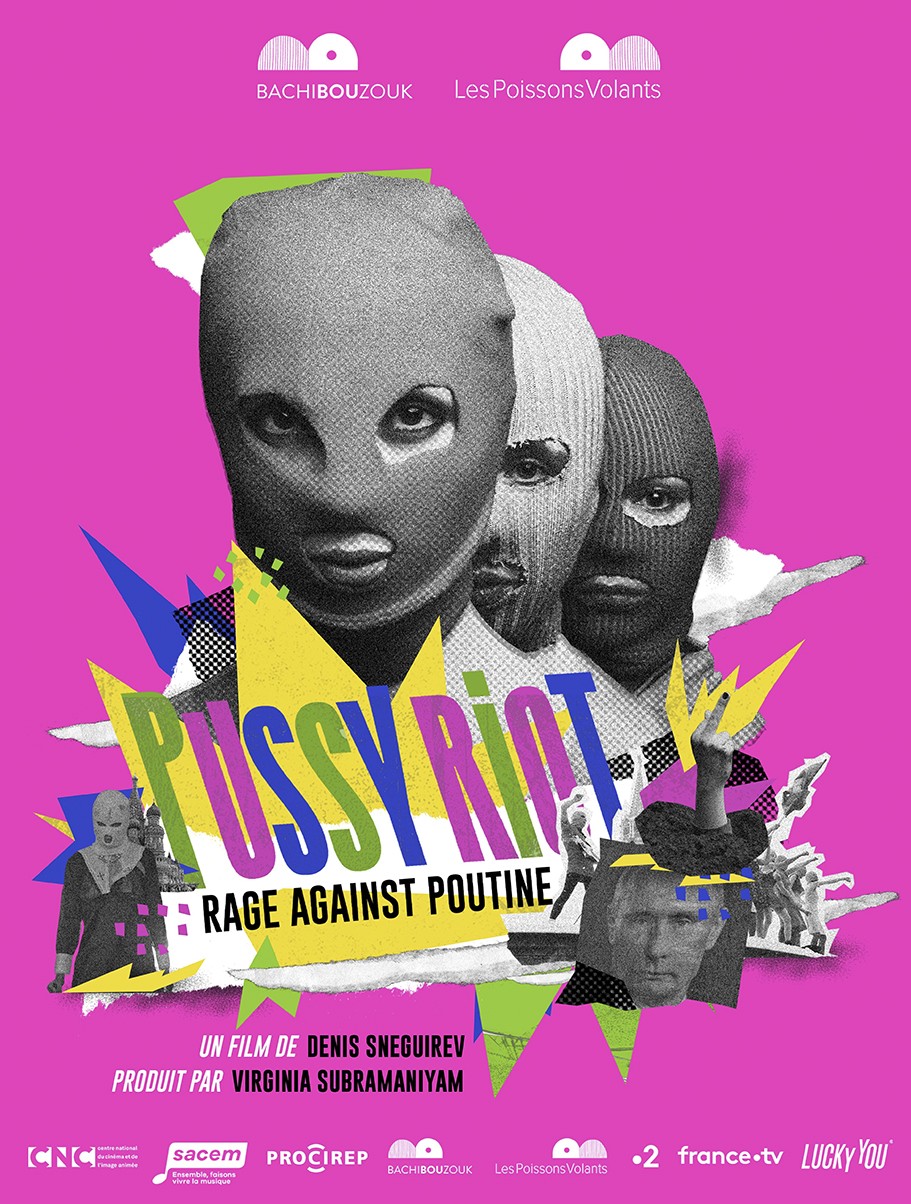
Премьера песни ‘Бунт в России’ от феменисток Pussy Riot на Лобном месте.

My two-weeks length embed with “Dustoff” Medevac team, C Company, 1-214 Aviation Regiment, 101st Combat Aviation Brigade, based at Camp Dwyer in Afghanistan’s war-torn Helmand Province is over. But I’ve been still looking around trying to find my two-way radio. I haven’t heard “Medevac, Medevac, Medevac” call signs for a long time already. Those calls mean that something bad has happened. Created in the 70th to airlift casualties from battlefield Dustoff still exists. The legend says, when the US army deployed the 57th Medical Detachment to Vietnam in 1962, they were given the radio call sign Dustoff. The main idea of its existing hasn’t changed. But in Afghanistan over 70% of Medevac missions are to pick up Afghans, be they civilians, soldiers or even militants. In country where life costs nothing and every forth child dies before reaches five their attempt to improve statistic and help every wounded or diseased looks utopian but so humanity. As Sergeant Farrell said to me: “We try to do all we can.” And they can do a lot, indeed.


Дневник на русском read more »

category: Single photos
tags:

‘Single photos’ cathegory contains photographs of my best choice.

История про то, как траурные мероприятия по убитому в уличной драке фанату Спартака Егору Свиридову переросли в массовю драку на Манежной площади. Застрелили его из травматического пистолета, как бы, люди с Кавказа, что дало повод фанатам разных футбольных клубов и правой молодежи избивать всех встречных, непохожих на русских. Я много раз слышал от людей из Средней Азии, работающих или работавших (есть и такие) в России о том как их грабят, избивая в поездах, идущих сюда, какое это, иногда, счастье, когда спустившись в метро, там, вдруг, не оказывается ментов, и какая это удача - не быть избитым при очередном рейде ОМОНа на места их ночлежек или быть убитым в каком-нибудь спальном районе отморозками, у которых ж..а вместо головы. После субботы, кажется, охота на нерусских входит в тренд и я, с ужасом, ожидаю, что, когда-нибудь, мы (конкретно я, славянской внешности) станем мишенью в их, пока еще, гостеприимных странах. Пока, я не видел ни одного презрительного взгляда ни в одной из стран с окончанием на стан, и я, искренне, желаю им скорейшего экономическо-социального процветания. А пока, даже такая дикая Россия кажется им сильно лучше своей родины.

The residents of Muslyumovo village in Russia’s Urals are convinced that they were “lab rats.” Their village was the only one on the Techa river to be exposed to radiation three times and not resettled. The Muslyumovo population was exposed to combined external and internal radiation. The sources of internal radiation were radionuclides entering the body with river water and products of local production. The main dose-forming radionuclide was Sr90, which was accumulated and held in bone tissue for a long time. From 1949 to 1956 the secret Mayak nuclear complex, 30 km from Muslyumovo, dumped 76 million cubic metres of highly radioactive waste into the river. The last big accident registered at Mayak was in 1967, when the Karachai reservoir, used to store waste, partially evaporated after a dry, hot summer. Strong winds dispersed clouds of radioactive dust over a vast area. Today Mayak is steel working and reprocesses foreign SNF releasing a great volume of liquid radioactive wastes into the environment.
Radiation levels along the river banks are still far above natural levels. In parts, levels are more than 500 times above global safety limits. The ecologists and experts consider the revealing of genetic abnormalities to be the consequence of living with high background radioactivity.
Several villages along the river were resettled in the 1950s, but the mainly Tatar village of Muslyumovo was started to remove  in 2006. Officials say government is giving a gift to the people by moving them to new homes (just in 2 kms away from their old houses), but not all of them. Dozens of them willl have to stay there because of bureaucratic problems, corruption in local government and their own poverty. They live, fight, despair, fight again, die.

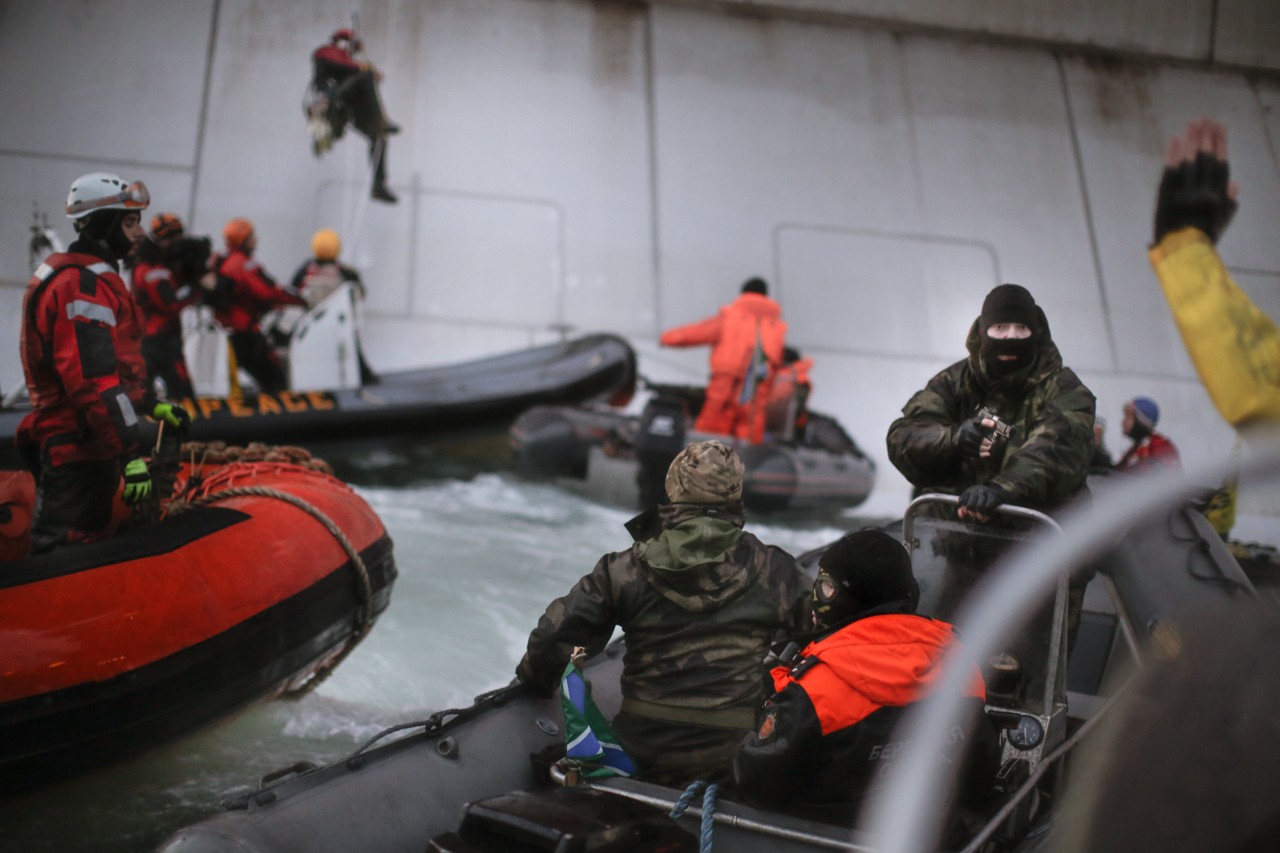
The history of issue on Greenpeace web site and my personal thanks for an invitation to follow them.

Russian Prime Minister Putin occupied the nation’s TV screens while reports of his bravado in fighting forest wildfires littered the media. The rest of the country were dead on their feet, choking with smoke as they fought the disaster. Unable to depend upon Putin, government authority or new luxury equipment for assistance, locals grew weary as they defended their houses using an arsenal of tractors, farm equipment and shovels.
Some relied on their prayers. A priest blessed firefighters in the village of Berestyanka before they continued on. Local residents conducted religious services asking God for rain to prevent new wildfires like the one that partially destroyed the village of Kriusha on August 5. About one hundred people, mostly elderly women, knelt asking God to forgive their sins. They then followed an Orthodox priest during a procession through the village. As they walked, the procession appeared to dissolve into heavy white smog, which had shrouded the settlement. Only their prayers were heard. These words drifted out from behind the screen of smoke “You, God Almighty, ask for our houses, people living there and property inside: bless, sanctify with a holy cross, save us from fire.” The local church was burnt. Though residents could only meet with the priest once a week, they still believe and trust in God.

Небольшая история про традиционную киргизскую забаву. Сотни лет петушиные бои проводятся на юге Кыргызстана и, наравне с собачьими боями, являются национальным видом спорта (если можно так сказать). При среднем уровне дохода на душу населения в сто долларов, боевой петух может стоить несколько тысяч долларов. Проводимые по субботам и воскресеньям бои собирают сотни зрителей, большинство из которых делают ставки. Семечки, непременный атрибут мероприятия, их очистки служат естественным покрытием ринга. Спаринг партнеры выбираются после долгой процедуры примерки. Оба петуха должны быть одного размера и веса. А, вообще, Киргизия интересное очень место, а во время очередного свержения власти, еще, и опасное.

The Nenets tribespeople of Russia’s frozen Yamal peninsula have survived the age of the Tsars, the Bolshevik revolution and the chaotic 1990s, but now confront their biggest challenge — under their fur-bundled feet is enough gas to heat the world for five years. Numbering around 42,000, the Nenets are entirely dependent on reindeer, which appear on the Yamal region’s crest, and are animists. Their strict code of superstitions and gender divisions has been virtually untouched for at least a millennium. Nenets migrate north to south over 150 km every year, spending only a few days in one place, living off reindeer and fish and lugging their “chums”, or tents, kerosene lamps and wood-fired stoves on reindeer-pulled sleighs.  
Experts and the Nenets say industry will damage and pollute the tundra, whose flat marshy terrain switches from marigold russets in summer to thick winter snow and is peppered with disc-like thermokarst lakes and crystal blue waterways.  

Story by Amie Ferris-Rotman/REUTERS

This picture story has been awarded with Honorable Mention by The Best of Photojournalism 2010 of the NPPA in the Environmental Picture Story category.

Held every four years since 1969, this is the 11th International Moscow Ballet Competition and about 120 of the top aspiring dancers from across the world were in competition for the gold medals. Bolshoi Theatre.